
Effective Natural Ways to Lower High Blood Pressure
Discover proven natural methods to reduce high blood pressure, including diet changes, exercise, weight loss, and stress management.

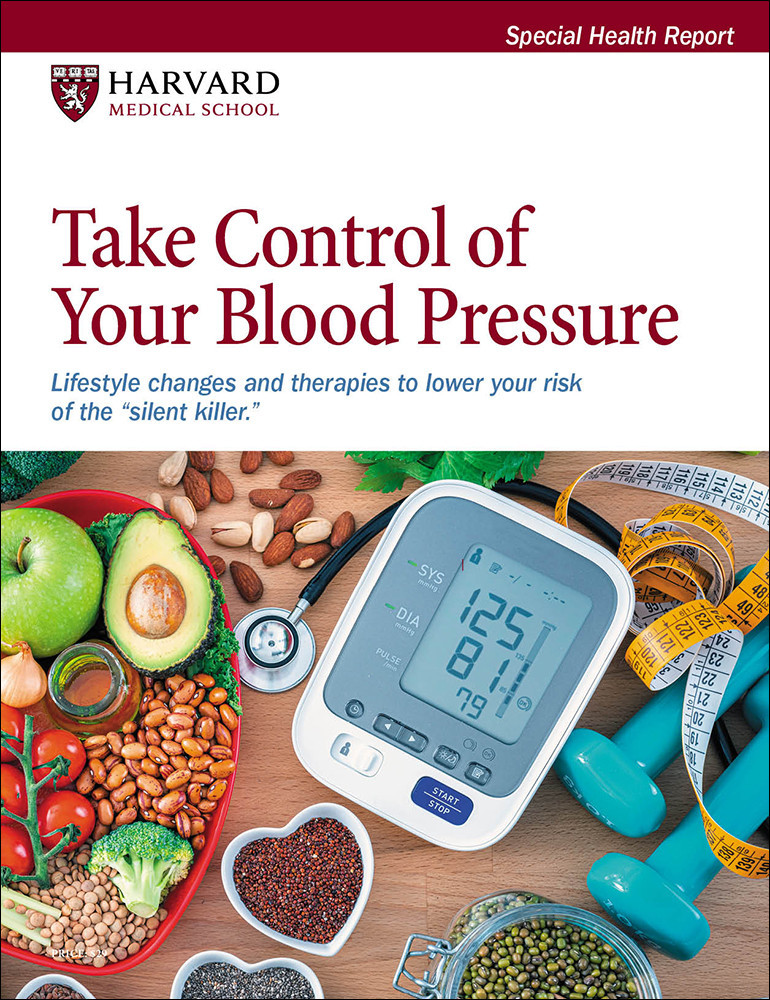
High blood pressure, or hypertension, is a common health concern that increases the risk of heart disease and stroke. Adopting natural strategies to manage blood pressure can be highly effective and complement medical treatments. By making simple lifestyle adjustments, you can help maintain healthy blood pressure levels and improve overall cardiovascular health.
One of the most impactful dietary changes is reducing salt intake. Excess sodium causes the body to retain water, which increases blood volume and pressure on arterial walls. Limiting processed foods, fast food, and salty snacks while cooking with minimal added salt can significantly lower blood pressure. The American Heart Association recommends consuming less than 2,300 milligrams of sodium daily, with an ideal limit of 1,500 milligrams for most adults.
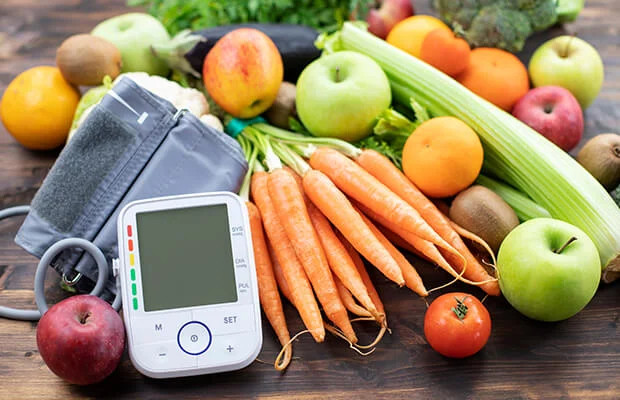
Increasing potassium intake is another key factor in blood pressure control. Potassium helps balance sodium levels in cells and eases tension in blood vessel walls. Incorporate potassium-rich foods into your diet such as bananas, spinach, sweet potatoes, avocados, and beans. These foods not only support blood pressure regulation but also provide essential nutrients for heart health.
Regular physical activity strengthens the heart, enabling it to pump blood more efficiently and reducing pressure in the arteries. Aim for at least 150 minutes of moderate aerobic exercise per week, such as brisk walking, cycling, or swimming. Exercise also supports weight loss, another important component of managing hypertension. Excess body weight forces the heart to work harder, increasing blood pressure. Even modest weight loss can lead to meaningful improvements.
Limiting alcohol consumption is advisable, as excessive drinking can raise blood pressure and damage the heart. Moderation is key; guidelines suggest no more than one drink per day for women and two for men. Reducing alcohol intake not only helps control blood pressure but also decreases the risk of other health complications.
Stress management plays a crucial role in blood pressure regulation. Chronic stress triggers hormonal responses that constrict blood vessels and elevate pressure. Practicing relaxation techniques such as deep breathing exercises, meditation, or yoga can help lower stress levels. Deep breathing, in particular, activates the parasympathetic nervous system, promoting calm and reducing blood pressure.
Incorporating these natural strategies can empower individuals to take control of their blood pressure and support long-term cardiovascular wellness. Consistency and commitment to healthier habits are essential for sustained benefits. Always consult healthcare professionals before making significant lifestyle changes, especially if you have existing medical conditions or are on medication for hypertension.
What's Your Reaction?
 Like
1
Like
1
 Dislike
0
Dislike
0
 Love
1
Love
1
 Funny
0
Funny
0
 Wow
0
Wow
0
 Sad
0
Sad
0
 Angry
0
Angry
0






Comments (0)