
Kwankwaso Urges Atiku to Withdraw from 2027 Presidential Race
Senator Rabiu Kwankwaso urges Atiku Abubakar to focus on traditional roles and step aside from the 2027 presidential race citing age and health concerns.

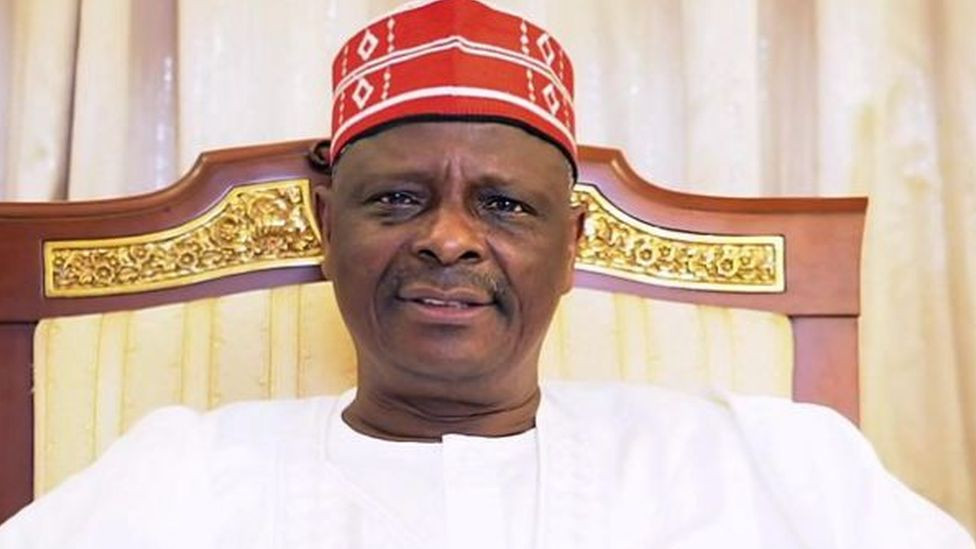
In a significant political development ahead of Nigeria's 2027 presidential election, Senator Rabiu Kwankwaso, the Vice-Presidential candidate of the Nigeria Democratic Congress (NDC), has publicly called on Atiku Abubakar, the Presidential candidate of the African Democratic Congress (ADC) and former Vice-President of Nigeria, to withdraw from the race. Kwankwaso's appeal comes amidst growing discourse about the suitability of candidates given their age, health, and capacity to lead effectively.
The call was made during a meeting at Kwankwaso’s residence in Abuja, where he received members of the Fulani Farmers Association. The association's visit provided a platform for Kwankwaso to express his concerns about Atiku's continued pursuit of the presidency and to encourage a focus on traditional roles that align better with his current circumstances.
Focus on Traditional Responsibilities
Kwankwaso emphasized the importance of Atiku dedicating his time and energy to his traditional responsibilities rather than the demanding role of the presidency. He specifically referenced Atiku’s esteemed position as the Wazirin Adamawa, a traditional title that holds substantial cultural and leadership significance within his community.
"Go to the Wazirin of Adamawa’s house and tell him in Fulani that he needs to focus on his traditional title of Wazirin, given his age and health," Kwankwaso stated. This remark underscores the former Kano state governor's belief that Atiku’s health and age might limit his effectiveness in the high-stress environment of national leadership.
Age and Health Concerns
The issue of age and health has increasingly become a critical factor in Nigerian politics, particularly in the context of leadership roles that require robust physical and mental stamina. Atiku Abubakar, who has served as Vice-President and has been a prominent figure in Nigerian politics for decades, is now perceived by some political actors as facing challenges that could impede his ability to lead the nation effectively.
Kwankwaso’s appeal is reflective of a broader conversation about generational change and leadership renewal within Nigeria's political landscape. Advocates of this perspective argue that the presidency requires a candidate with the vitality to navigate complex domestic and international challenges.
Political Implications and Supporters’ Role
Kwankwaso’s public appeal places a spotlight on the dynamics within opposition parties and the strategic decisions ahead of the 2027 elections. His urging for Atiku’s withdrawal is not merely a personal opinion but a call to ADC supporters to engage with their candidate and persuade him to reconsider his presidential ambition.
This development may influence political alliances and voter sentiments, as the ADC and NDC navigate the competitive terrain of Nigeria’s presidential contest. Kwankwaso’s position, grounded in respect for traditional authority and pragmatic leadership considerations, could resonate with voters seeking stability and effective governance.
Fulani Farmers Association's Visit and Broader Context
The visit from the Fulani Farmers Association highlights the intersection of political leadership and grassroots engagement. The association, representing a significant constituency, demonstrates the importance of dialogue between political figures and community stakeholders in shaping Nigeria's political future.
Kwankwaso’s engagement with the association reflects his commitment to addressing the concerns of various demographic groups and underscores the role of traditional and cultural values in contemporary political discourse.
As the 2027 elections approach, such interactions and public statements will likely influence the strategic calculations of political parties and candidates, shaping the narratives that define Nigeria’s democratic process.
In conclusion, Senator Rabiu Kwankwaso’s call for Atiku Abubakar to withdraw from the presidential race is a notable development that intertwines traditional respect, health considerations, and political strategy. It invites reflection on the qualities essential for national leadership and the evolving expectations of Nigerian voters as the country prepares for its next electoral milestone.
What's Your Reaction?
 Like
0
Like
0
 Dislike
0
Dislike
0
 Love
0
Love
0
 Funny
0
Funny
0
 Wow
0
Wow
0
 Sad
0
Sad
0
 Angry
0
Angry
0




![‘I have asked God to take me when it is time’ – Pete Edochie on health struggles [VIDEO]](https://dailypost.ng/wp-content/uploads/2026/10/671079.jpg)





Comments (0)