
Rising APC Defections Boost Wike’s Rainbow Coalition Ahead of 2027 Polls
Discontent within APC grows as key members align with Nyesom Wike’s Rainbow Coalition, intensifying tensions ahead of Nigeria’s 2027 elections.

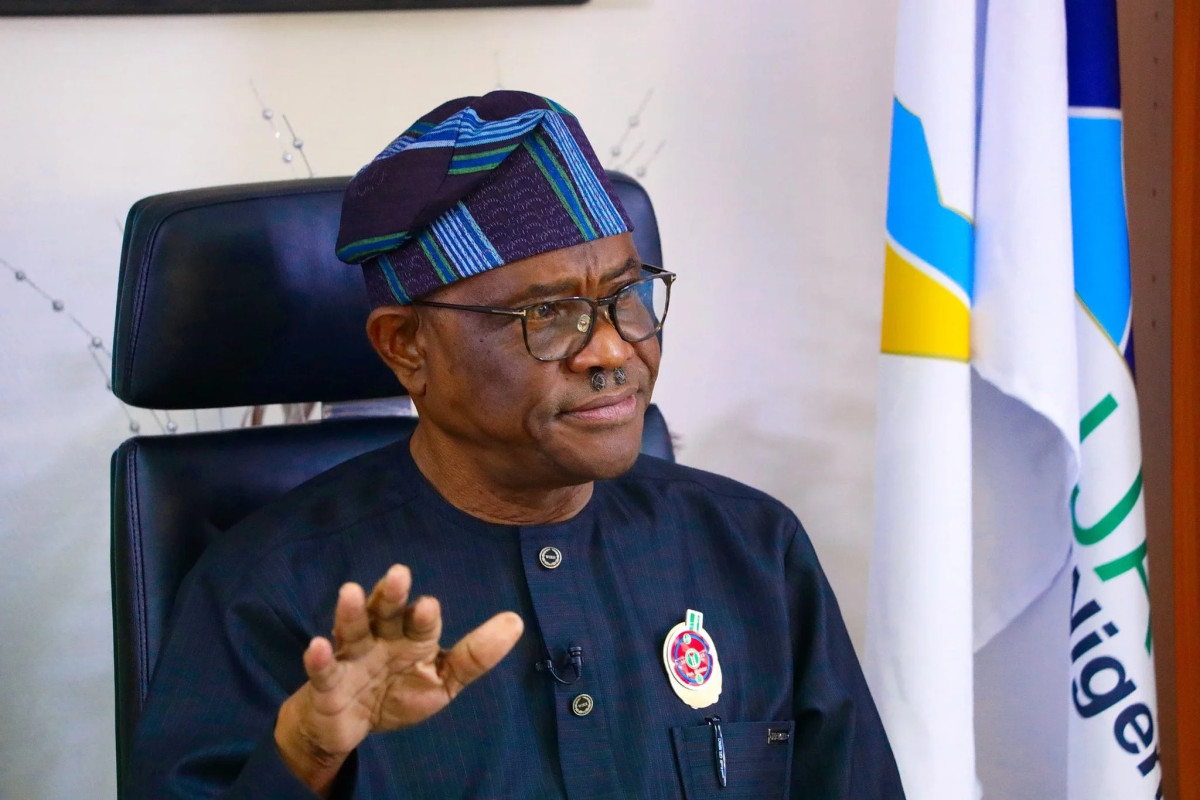
As Nigeria approaches the 2027 general elections, internal dynamics within the ruling All Progressives Congress (APC) are becoming increasingly complex. A growing number of aggrieved APC members, including former party leaders, have started to align themselves with the Rainbow Coalition, spearheaded by the Minister of the Federal Capital Territory, Nyesom Wike. This realignment is significantly sharpening tensions within the party, signaling potential challenges for President Bola Tinubu’s re-election aspirations.
Sources from Sunday PUNCH reveal that many prominent APC figures, either having exited the party or expressing profound dissatisfaction with its internal mechanisms, have thrown their weight behind Wike’s cross-party platform. This coalition aims to present a united front by bringing together diverse political interests dissatisfied with the current ruling structure. The momentum behind the Rainbow Coalition reflects broader discontent and a desire for an alternative vision within Nigeria’s political landscape.
The Progressive Governors Forum (PGF), under the leadership of Imo State Governor Hope Uzodinma, reacted swiftly to these developments. In a statement released on Monday, the PGF characterized the Rainbow Coalition as a direct threat to President Tinubu’s bid for a second term. This declaration underscores the growing divide within the APC, as the governors seek to consolidate support around the incumbent administration.
The situation has sparked robust debate among APC members themselves. While some have aligned with the governors’ stance, emphasizing party unity and continuity, others have expressed sympathy for Wike’s coalition, highlighting the need for introspection and reform within the party. This internal discord illustrates the challenges the APC faces in maintaining cohesion amid rising political undercurrents.
The implications of these shifts are multifaceted. On one hand, the defection of key APC personalities to the Rainbow Coalition could weaken the ruling party’s grassroots support and electoral machinery. On the other, it signals an evolving political environment where cross-party collaborations are gaining traction. Observers note that such alliances could reshape campaign strategies and voter alignments in the lead-up to the elections.
Wike’s Rainbow Coalition, by positioning itself as a broad-based alternative, capitalizes on the frustrations of those marginalized within APC’s ranks. The coalition’s inclusive approach seeks to address internal grievances while appealing to a wider electorate dissatisfied with the status quo. This strategy may compel APC leaders to engage in more inclusive dialogue and policy adjustments to retain their political dominance.
Meanwhile, the Progressive Governors Forum’s defense of President Tinubu highlights the factionalism within APC. The governors’ commitment to safeguarding the president’s political future reflects a desire to project stability and continuity amid emerging challenges. However, this approach risks alienating dissenting voices within the party, potentially deepening divisions.
As the 2027 elections draw nearer, the APC faces a critical juncture. Balancing internal unity with accommodating diverse viewpoints will be essential to maintaining its ruling mandate. The interplay between the Rainbow Coalition’s rising influence and the Progressive Governors Forum’s defensive posture encapsulates the evolving nature of Nigerian politics.
Ultimately, the growing alignment of disaffected APC members with Wike’s Rainbow Coalition signifies a pivotal shift. It not only tests the resilience of the ruling party but also reflects the dynamic and often unpredictable character of Nigeria’s democratic processes.
What's Your Reaction?
 Like
0
Like
0
 Dislike
0
Dislike
0
 Love
0
Love
0
 Funny
0
Funny
0
 Wow
0
Wow
0
 Sad
0
Sad
0
 Angry
0
Angry
0





![‘I have asked God to take me when it is time’ – Pete Edochie on health struggles [VIDEO]](https://dailypost.ng/wp-content/uploads/2026/10/671079.jpg)






Comments (0)