
Nigerian Filling Stations Raise Premium Motor Spirit Prices Amid Market Shifts
Nigerian filling stations increase Premium Motor Spirit pump prices by N20 to N80 per litre, reflecting market adjustments and impacting fuel costs nationwide.

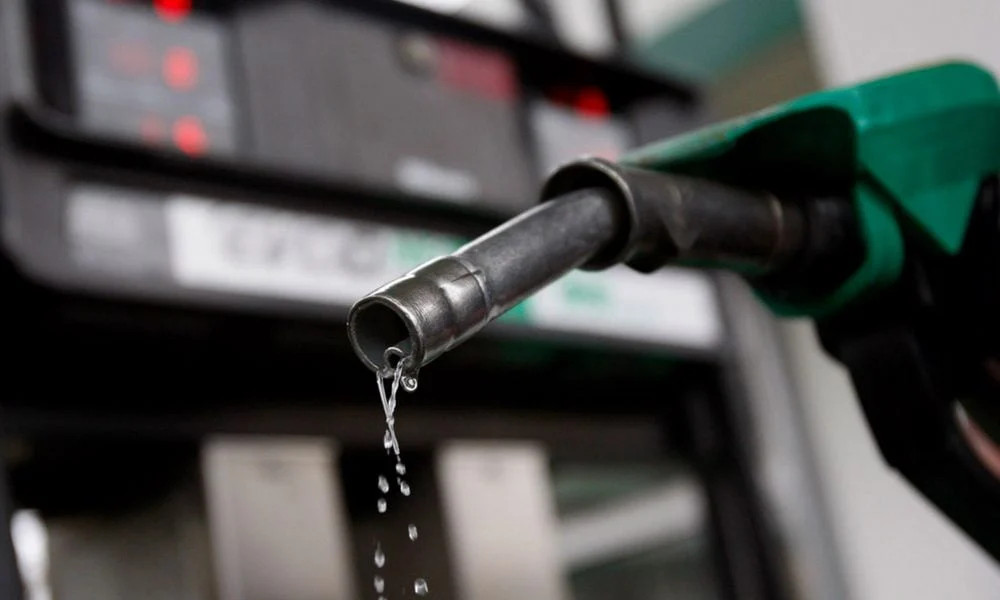
Recent market developments have seen Nigerian filling stations implement significant increases in the pump prices of Premium Motor Spirit (PMS), commonly known as petrol. A survey conducted on Monday by DAILY POST reveals that leading fuel retailers such as MRS, Ranoil, and Empire Energy have adjusted their prices upward, marking a notable shift in the local fuel market.
Previously, petrol prices at these stations ranged between N1,230 and N1,299 per litre. However, the new prices have been set between N1,310 and N1,320 per litre. This adjustment indicates an increase ranging from N20 to N80 per litre across different locations and brands.
Factors Driving the Price Increase
The rise in PMS prices is influenced by multiple factors, including fluctuations in global crude oil prices, foreign exchange rates, and the costs associated with distribution and marketing within Nigeria. Additionally, regulatory policies and subsidy adjustments play crucial roles in determining the retail price of petrol.
Fuel pricing in Nigeria is complex, often influenced by the Petroleum Products Pricing Regulatory Agency (PPPRA), which monitors and regulates pricing to reflect market realities while attempting to balance consumer interests.
Impact on Consumers and Economy
The increase in petrol prices inevitably affects consumers, impacting transportation costs and the prices of goods and services nationwide. Since petrol is a key energy source for vehicles and generators, higher fuel prices can contribute to inflationary pressures, affecting household budgets and business operations.
Transport operators, in particular, may face increased operational expenses, which could translate into higher fares for commuters. Furthermore, industries reliant on fuel-powered machinery may experience elevated production costs.
Market Response and Outlook
Fuel retailers have responded to market signals and regulatory frameworks by adjusting their prices to maintain profitability and ensure continuous supply. The price hike reflects an attempt to align retail prices with the realities of import costs and operational expenses.
Looking forward, fuel prices in Nigeria may continue to fluctuate in response to global market trends, government policies, and local economic conditions. Stakeholders, including consumers and policymakers, are closely monitoring these developments to anticipate future impacts.
In summary, the recent increase in Premium Motor Spirit pump prices at Nigerian filling stations underscores the dynamic nature of the fuel market. Consumers and businesses alike must adapt to these changes while stakeholders seek sustainable solutions to balance affordability and supply stability.
What's Your Reaction?
 Like
0
Like
0
 Dislike
0
Dislike
0
 Love
0
Love
0
 Funny
0
Funny
0
 Wow
0
Wow
0
 Sad
0
Sad
0
 Angry
0
Angry
0














Comments (0)